Research areas
The Hayat Lab works on single-cell spatial omics and target discovery. Our current research directions are outlined below.
-
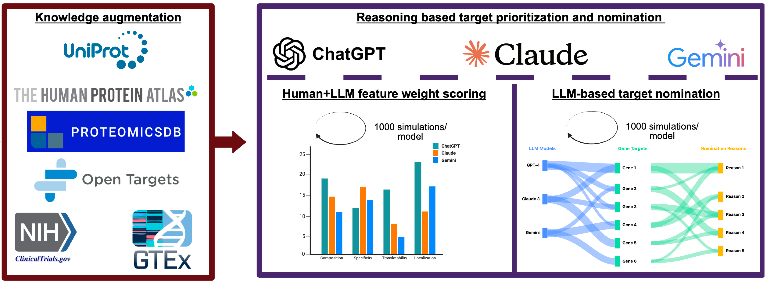
AI agents for hypothesis generation from single-cell and spatial transcriptomics
Large language model agents that generate biomedical hypotheses from single-cell, spatial omics and drug–target data.
-
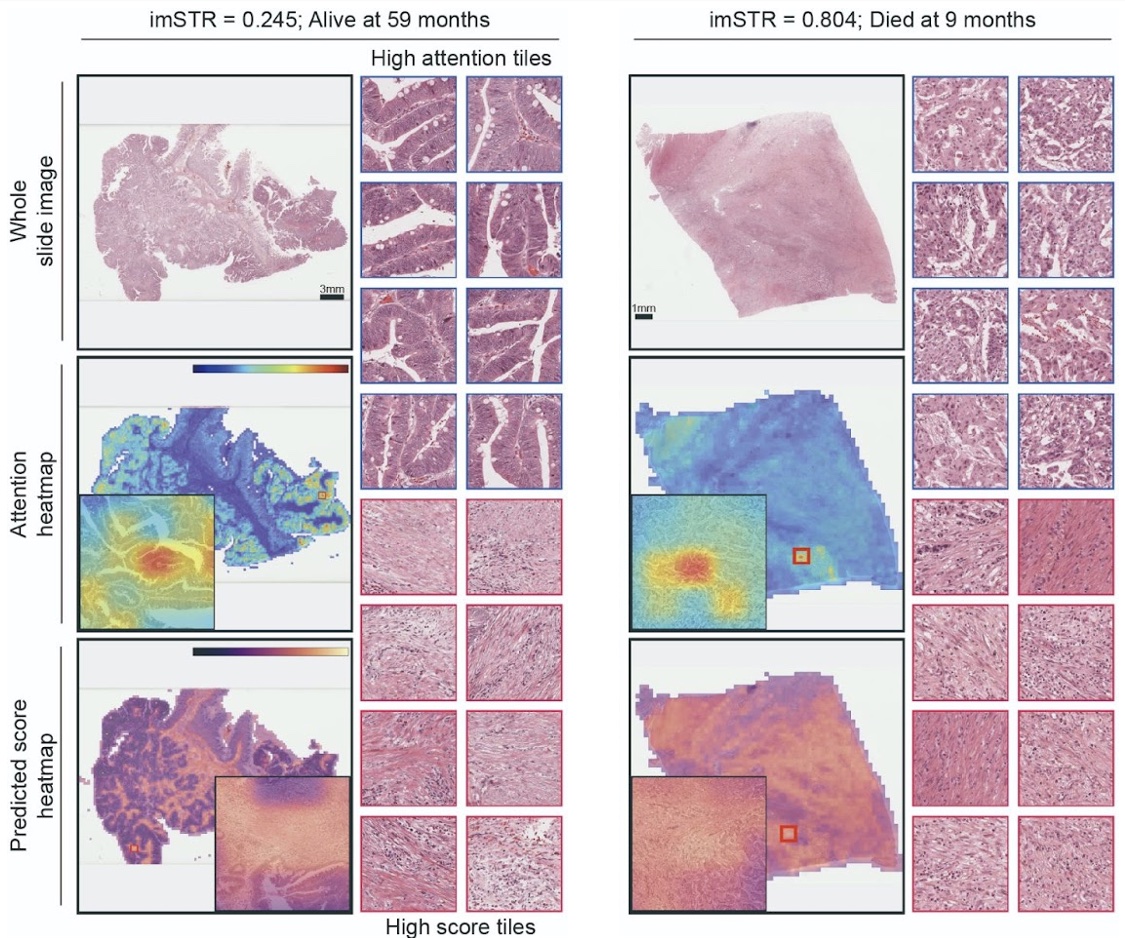
Deep learning for co-learning from spatial transcriptomics and histopathology images
Co-learning from spatial omics and histopathology images, with the aim of predicting molecular features from histopathology alone.
-
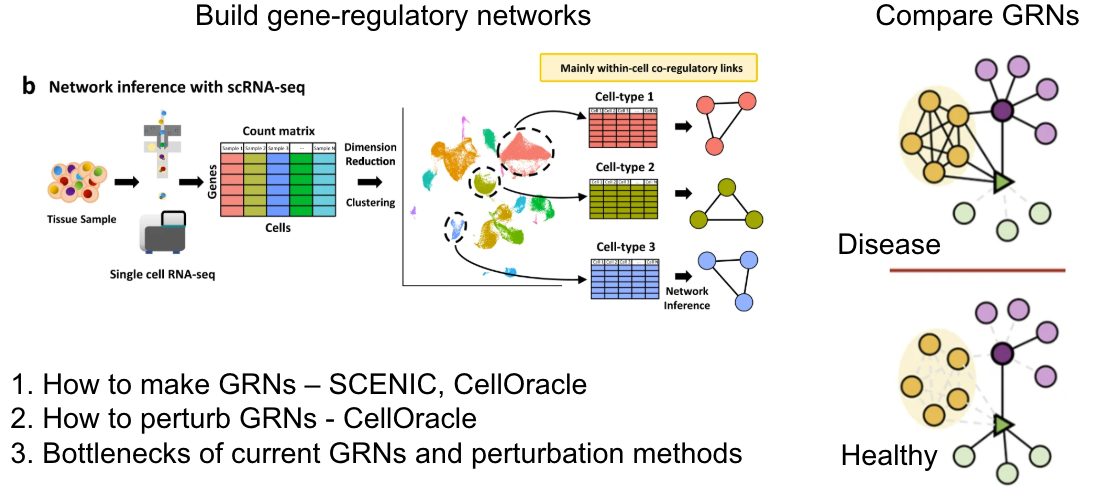
Gene circuits: building gene-regulatory networks from single-cell data
Inferring cell-type-specific gene-regulatory networks from single-cell data and perturbing them in silico.
-
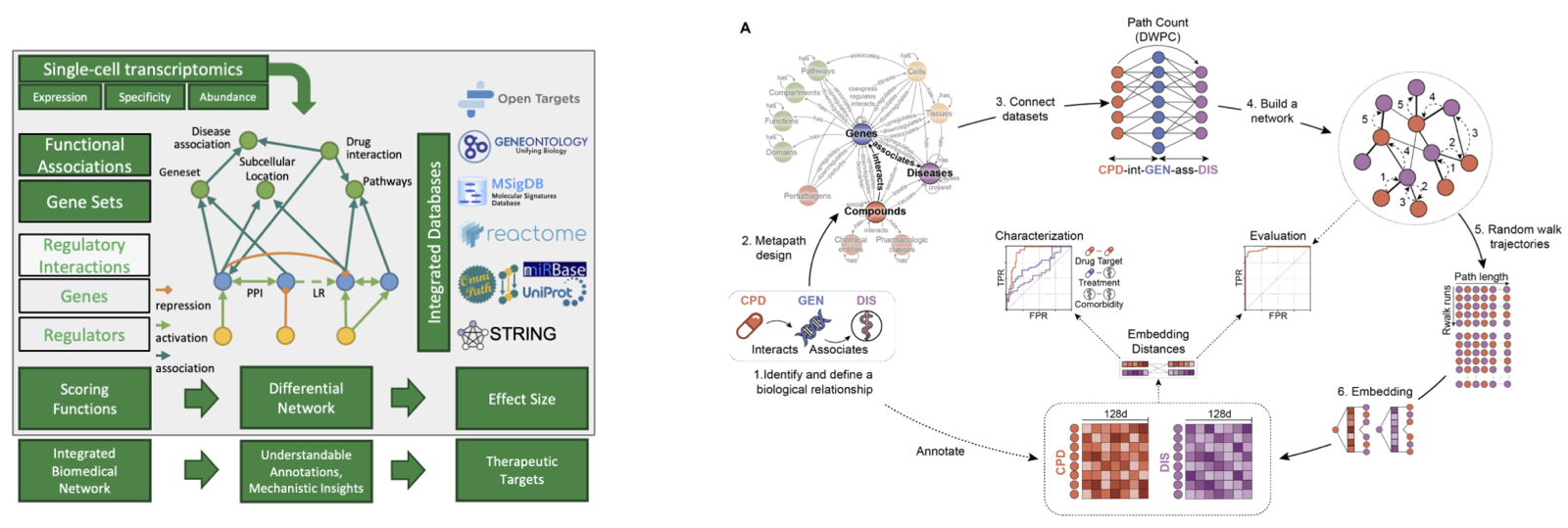
Knowledge graphs in the biomedical domain: knowing the unknown knowns to discover new therapies from data
Integrating biomedical databases and single-cell data into knowledge graphs, and using graph representation learning to find therapeutic targets.
-
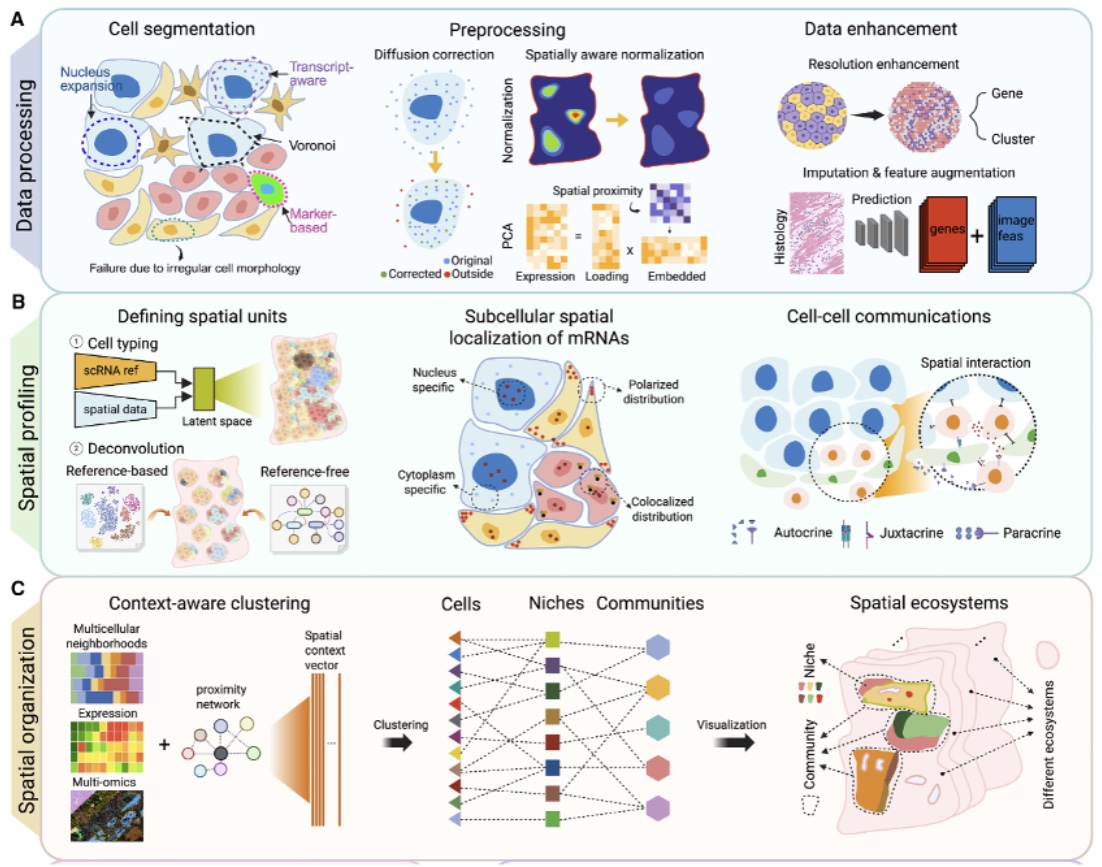
From cell segmentation to spatial pattern discovery
Methods for the full spatial transcriptomics workflow: segmenting cells, quantifying their spatial relationships and finding recurring tissue niches.
-
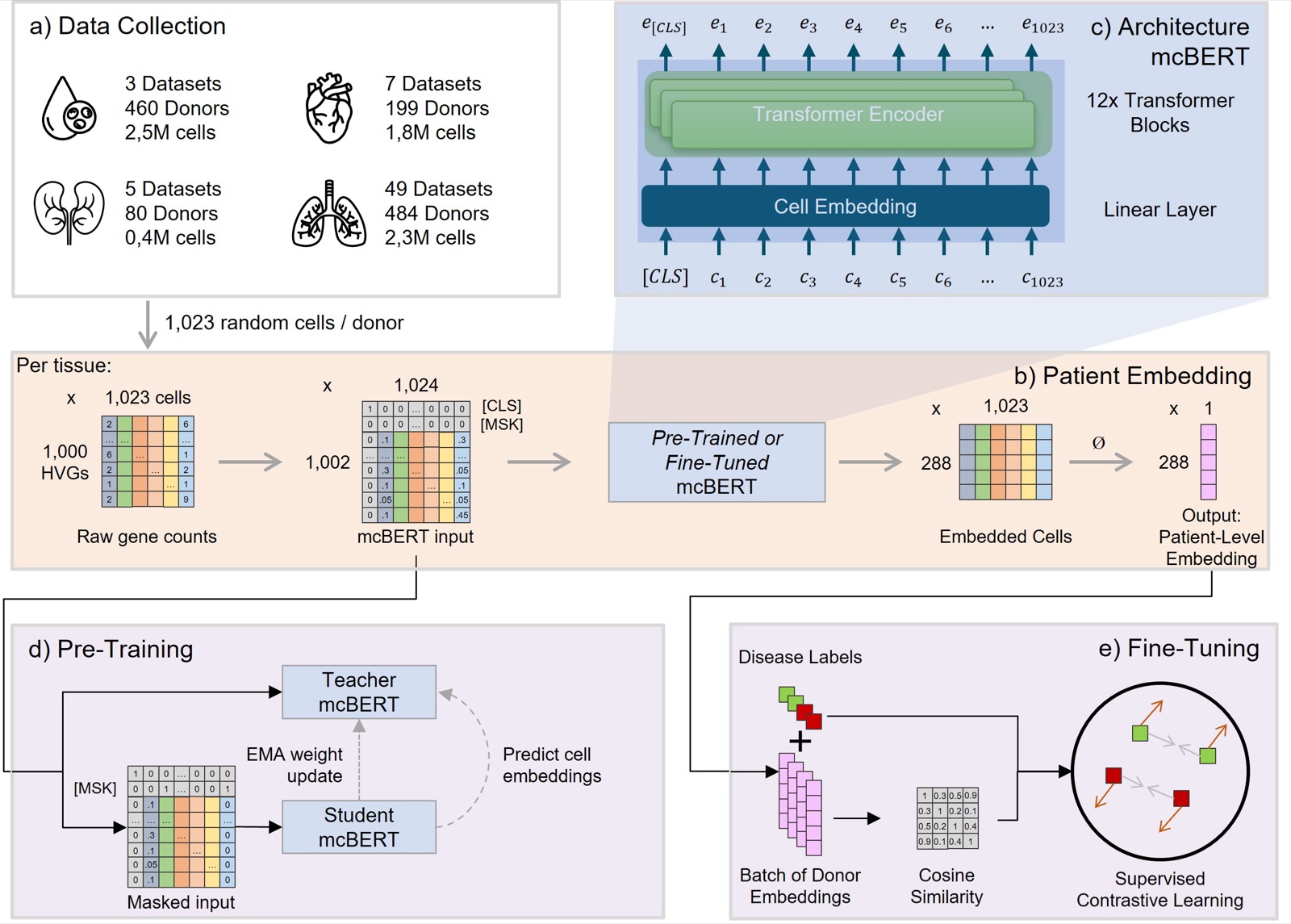
Virtual patient representations from single-cell transcriptomics
Transformer models that summarize the single-cell data of a patient as one representation, as a basis for in silico perturbation and for integration with electronic health records.